The Dissent That Becomes Law (nine hearts)
Tim Tate
Blown and cast glass | each approx. 18 x 10 x 4 in.
The nine hearts that follow are a single work. Each blown glass heart carries a cast glass medallion suspended beneath it, and every medallion has two faces. One bears a lawyer whose work in LGBTQ+ justice makes a path to the Supreme Court imaginable; the reverse bears an activist, living or gone, whose life made that path possible. The medallions turn. Hung one way the wall reads as prophecy, the future met first; reversed, it reads as inheritance, the past met first. Which historic figure faces which lawyer is the presenting institution's decision.

Sharon McGowan
Chief Executive Officer, Public Justice
BackgroundMcGowan has spent her career at the intersection of LGBTQ+ rights, civil rights, and federal legal strategy. As a senior official in the Civil Rights Division of the U.S. Department of Justice under President Obama, she was a key architect of the federal government's decision to stop defending the Defense of Marriage Act and helped develop the arguments the United States advanced in support of nationwide marriage equality. After a decade in the Obama DOJ, she served as Chief Strategy Officer and Legal Director of Lambda Legal, where she led a team of over thirty attorneys through the first and second Trump administrations. She subsequently joined Katz Banks Kumin as a civil rights litigation partner before being named Chief Executive Officer of Public Justice, a national nonprofit legal advocacy organization focused on civil rights, consumer protection, and access to courts. A Harvard Law graduate, McGowan is one of the most strategically consequential LGBTQ+ legal minds in the country.
Potential PathMcGowan's career arc, from DOJ policy architect to national litigation leader to organizational CEO, reflects a depth of institutional experience that is rare in the movement. A federal appellate appointment would be a credible next step toward a Supreme Court nomination.

Pedro Zamora
1972-1994
A Cuban-American AIDS educator who joined MTV's The Real World in 1994 and let millions watch him live with HIV, and fall in love, and commit, on national television. He testified before Congress. He died at twenty-two, hours after the season finale aired.
In the country this exhibition imagines, his name is spoken in health classes not as a cautionary tale but as a young man who chose to be visible when visibility was dangerous, and who is credited with the lives that changed because of it.
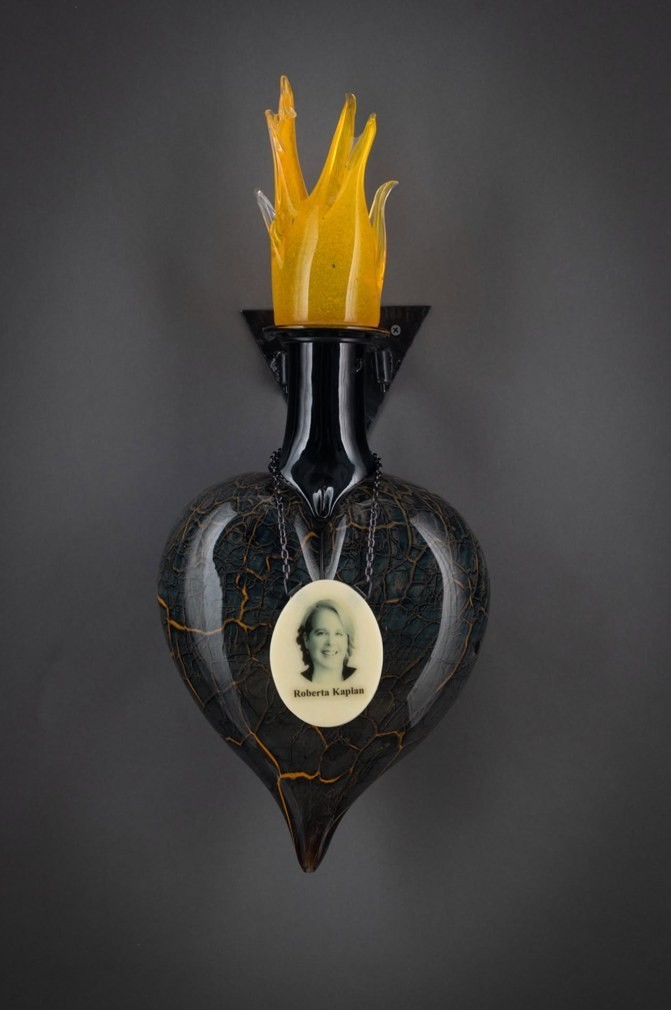
Roberta Kaplan
Founding Partner, Kaplan Martin
BackgroundKaplan is best known for representing Edith Windsor in the landmark Supreme Court case United States v. Windsor, which struck down the Defense of Marriage Act (DOMA) and paved the way for marriage equality. She continues to advocate for LGBTQ+ rights and civil liberties through her legal practice, with a career defined by high-stakes constitutional litigation.
Potential PathAlready a legal heavyweight with Supreme Court experience, Kaplan's continued work in civil rights litigation keeps her in contention. The traditional path for private practice attorneys to the Supreme Court runs through a federal judicial appointment first, but her stature and record make her a credible candidate for such a nomination should a future administration choose to prioritize her profile.
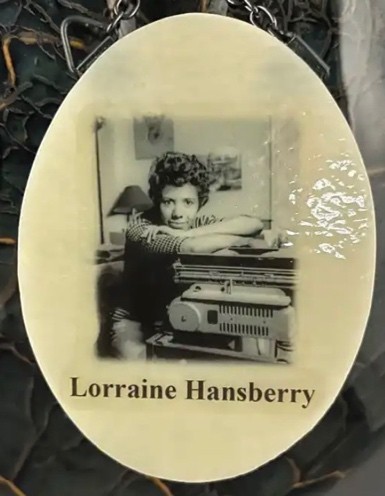
Lorraine Hansberry
1930-1965
At twenty-nine she became the first Black woman with a play on Broadway; A Raisin in the Sun changed American theater. She also wrote to The Ladder under her initials, arguing that lesbians would need feminism and that the movement would need them. She was dying of cancer at thirty-four, her full self known to few.
In the country this exhibition imagines, she is read whole, the playwright and the lesbian theorist in the same lesson, and no one is asked to publish under initials again.
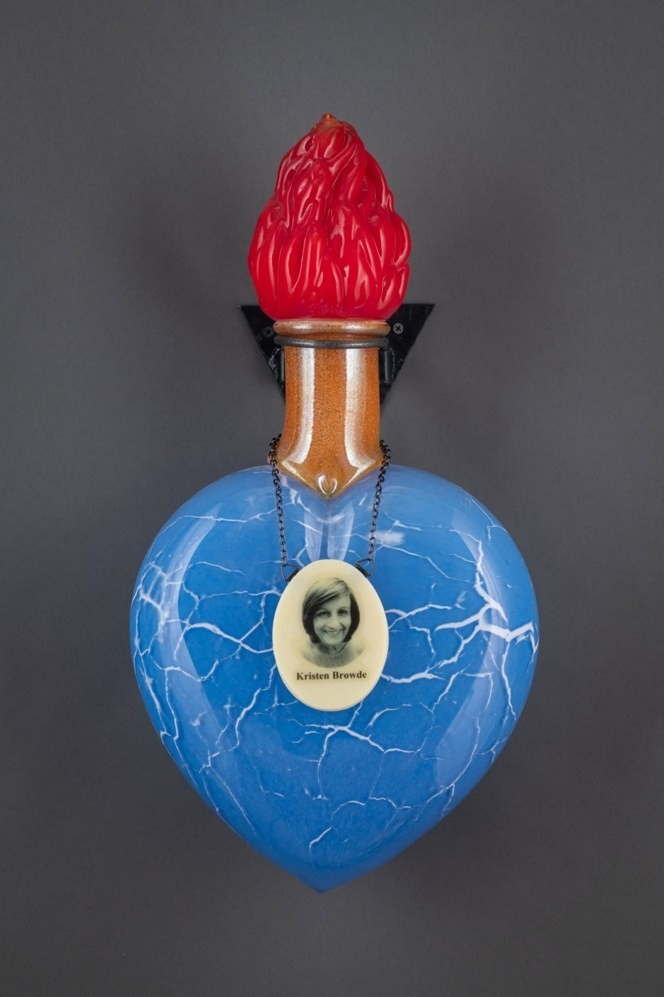
Kristen Browde
Attorney and co-chair, National Trans Bar Association
BackgroundBrowde, a prominent transgender attorney, has been involved in LGBTQ+ advocacy and legal work for many years. She has also run for public office and works on issues related to civil rights and family law.
Potential PathBrowde's mix of legal expertise, advocacy, and political involvement could make her a contender for a judicial appointment, especially in the context of advancing LGBTQ+ rights.
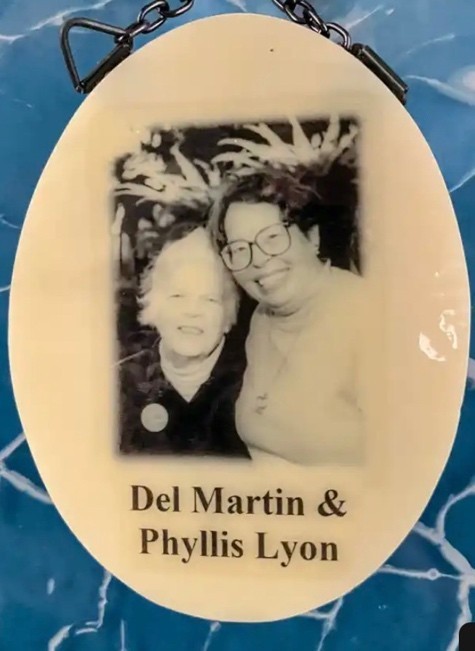
Del Martin & Phyllis Lyon
1921-2008 – 1924-2020
They met in 1950 and were together fifty-six years. In 1955 they founded the Daughters of Bilitis, the first lesbian civil rights organization in the country, and published The Ladder from their kitchen. In 2008 they were the first same-sex couple married in San Francisco, after more than half a century of waiting.
In the country this exhibition imagines, their fifty-six years are simply a marriage, unremarkable and long, and children learn their names in the ordinary lesson about the people who made the ordinary possible.
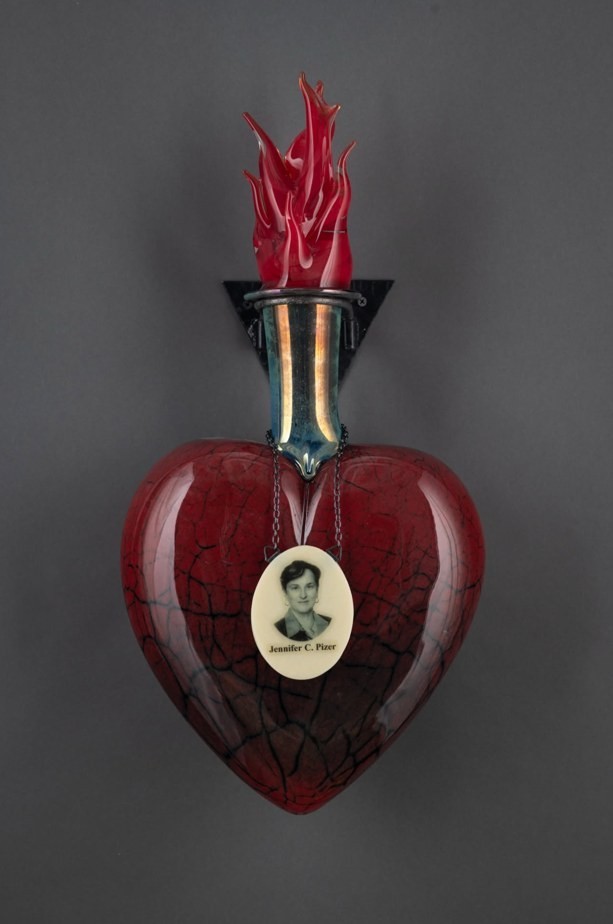
Jennifer C. (Jenny) Pizer
Senior Director of Strategic Initiatives and Special Counsel to the CEO, Lambda Legal (Los Angeles, CA)
BackgroundPizer is one of the most consequential LGBTQ+ civil rights lawyers in American history, with a career at Lambda Legal spanning nearly three decades. She interned there in the 1980s, served on the board in the 1990s, and joined the staff in 1996. She directed the organization's Marriage Project, initiated its focus on healthcare fairness, and litigated for the freedom to marry, family recognition, and protection against discrimination in employment, education, and health care. She was lead counsel in Majors v. Jeanes, the successful federal challenge to Arizona's same-sex marriage ban, and co-counsel in the challenge to California's Proposition 8. She has served as Legal Director of the Williams Institute at UCLA School of Law, co-drafted California's domestic partnership law, and advised the U.S. State Department on LGBTQ+ protections internationally. In 2022 she received the Dan Bradley Award, the National LGBTQ+ Bar Association's highest honor. A Harvard College and NYU School of Law graduate, she served as Chief Legal Officer from 2022 to 2025 and now works to counter federal attacks on transgender, nonbinary, and intersex people and to resist religious and free speech claims used to license discrimination. She co-authored Making the Case for Equality for Lambda Legal's fiftieth anniversary.
Potential PathPizer's decades of impact litigation, policy development, and institutional leadership in California and nationally make her a compelling candidate. A federal judicial appointment, particularly in the Ninth Circuit, would position her directly on the path to the Supreme Court.
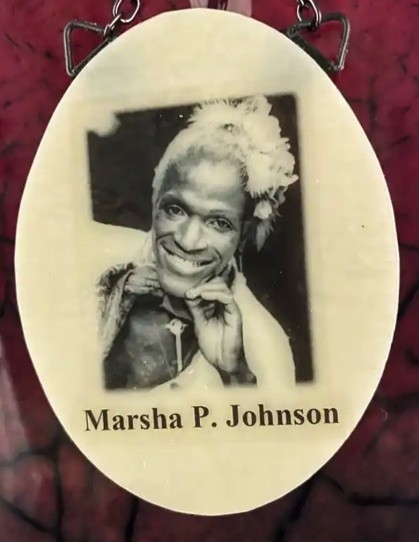
Marsha P. Johnson
1945-1992
A Black trans woman who was there at Stonewall in 1969 and spent the next two decades caring for the people the movement left behind. With Sylvia Rivera she founded STAR, renting a building to shelter homeless queer and trans young people and paying for it with what she earned on the street. She let the "P" stand for "Pay It No Mind." She was found in the Hudson River in 1992, at forty-six, and the police called it a suicide.
In the country this exhibition imagines, the house she opened with nothing is the ordinary sort of building a city funds without being asked, her death is investigated the first time and properly, and the young people she took in live long enough to say her name themselves.
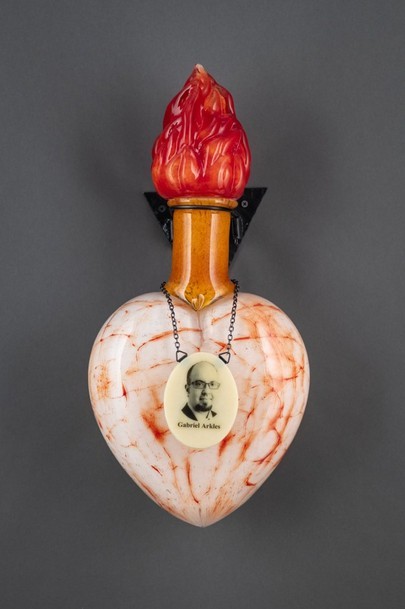
Gabriel Arkles
Co-Interim Legal Director and Litigation Director, Advocates for Trans Equality Two decades of legal advocacy for transgender people, with a focus on prison justice, healthcare, employment, and public accommodations. At the ACLU he was part of the team that represented Aimee Stephens before the Supreme Court in Bostock v. Clayton County, which established that anti-transgender discrimination is prohibited under federal law, and led the team that won the injunction blocking Idaho's transgender sports ban in Hecox v. Little. Formerly Director of Prisoner Justice Initiatives at the Sylvia Rivera Law Project, and a law teacher at NYU and Northeastern. Named OUTLaw Alum of the Year by NYU School of Law.
Potential PathA litigation director with Supreme Court experience and a prison justice foundation rarely represented in LGBTQ+ civil rights work. The breadth of the record, from incarcerated clients to the federal bench, is the kind that judicial appointments are built from. Alt. side: Kate Millett
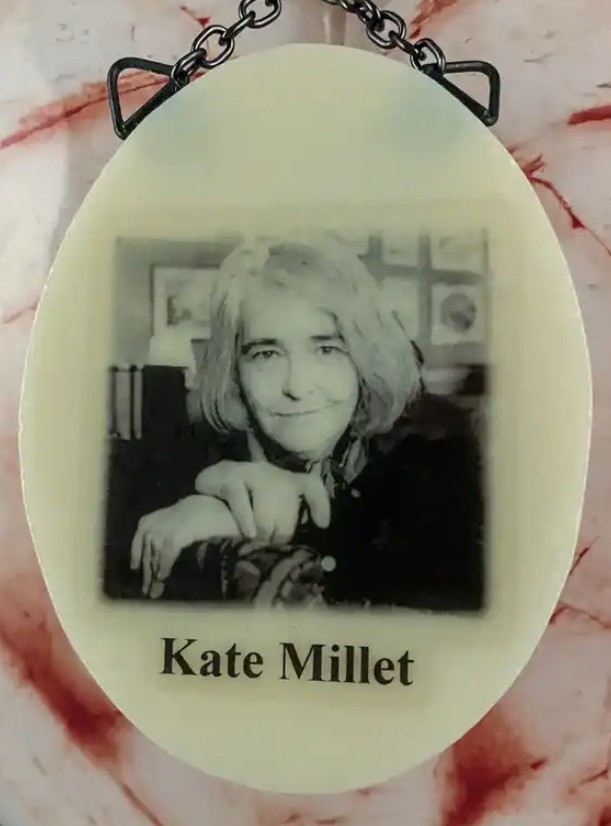
Kate Millett
Kate Millett – 1934-2017
Her 1970 Sexual Politics rewrote feminist thought and made her famous overnight. When she was pressed to declare herself, she did, and paid for it, dismissed by some feminists and hounded by the press. She lived with bipolar illness and wrote about it with the same unsparing honesty she brought to everything.
In the country this exhibition imagines, her books sit on high school shelves, and the courage it cost her to answer that question in public is remembered as courage, not as scandal.

Chinyere Ezie
Senior Staff Attorney, Center for Constitutional Rights
BackgroundEzie is known for her advocacy on behalf of marginalized communities, including LGBTQ+ people of color. She has litigated a wide range of civil rights cases, including those addressing discrimination based on sexual orientation and gender identity, with particular focus on the intersecting vulnerabilities of LGBTQ+ people of color within systems of incarceration, policing, and healthcare.
Potential PathWith her focus on civil rights and constitutional law, Ezie could be well-positioned to join the judiciary and potentially rise to the Supreme Court.
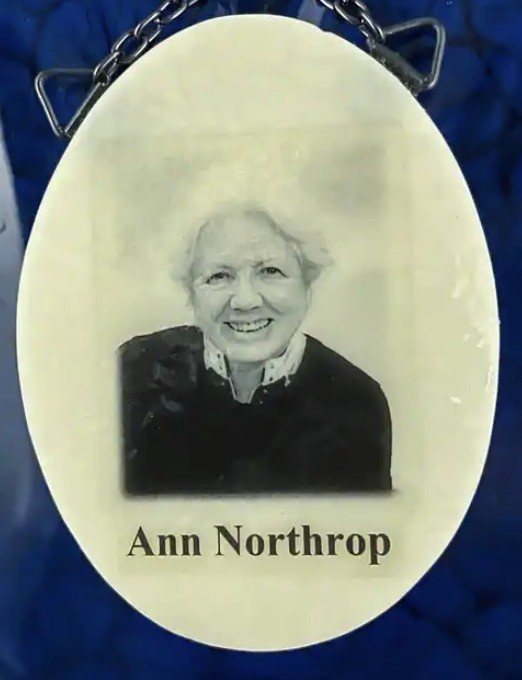
Ann Northrop
Ann Northrop – b. 1948
A network television producer who left mainstream media to become an ACT UP organizer and one of the most effective media strategists of the AIDS crisis, later co-hosting Gay USA for decades. She is still working, still on camera, still arguing, still refusing to let the record be softened.
In the country this exhibition imagines, she lives to see it, and is asked to speak at the schools that teach what she survived, which is the rarest honor this show can offer anyone: to be thanked in person.

Chase Strangio
Co-Director, ACLU LGBTQ & HIV Project
BackgroundStrangio is now one of the most historically significant figures in American LGBTQ+ legal history. On December 4, 2024, he became the first openly transgender person ever to present oral arguments before the United States Supreme Court, arguing United States v. Skrmetti, a landmark challenge to Tennessee's law banning gender-affirming medical care for transgender youth. The Supreme Court ruled 6-3 in June 2025 to uphold the Tennessee ban, a significant defeat, but Strangio's historic appearance before the Court cemented his place in civil rights history regardless of the outcome. He has been counsel in Obergefell v. Hodges (marriage equality), the challenge to North Carolina's HB2, and numerous other pivotal cases. His story is documented in the 2025 Sundance Film Festival documentary Heightened Scrutiny. Potential Path: Strangio's combination of historic Supreme Court experience, national prominence, and deep constitutional expertise makes him one of the most recognizable civil rights litigators of his generation, and in a country that has learned to see him clearly, the lawyer who first stood at that podium is the one most likely to sit behind the bench.
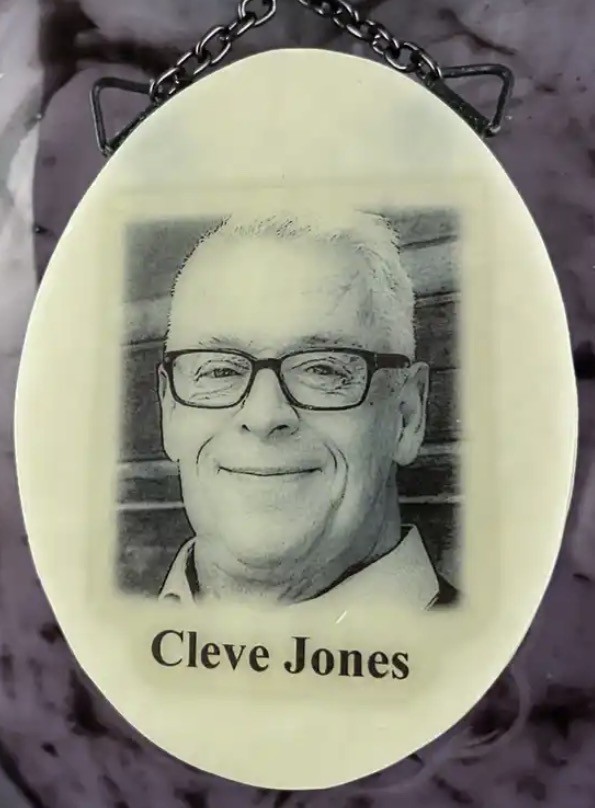
Cleve Jones
Cleve Jones – b. 1954
He worked in Harvey Milk's office and was there the night Milk was killed. In 1985 he asked mourners to write names on placards and tape them to a federal building, the shape that became the AIDS Memorial Quilt, the largest work of community folk art in the world, and a way to make an ignored death impossible to ignore.
In the country this exhibition imagines, the Quilt is a national monument, and every schoolchild has stood on a panel and read a name aloud.
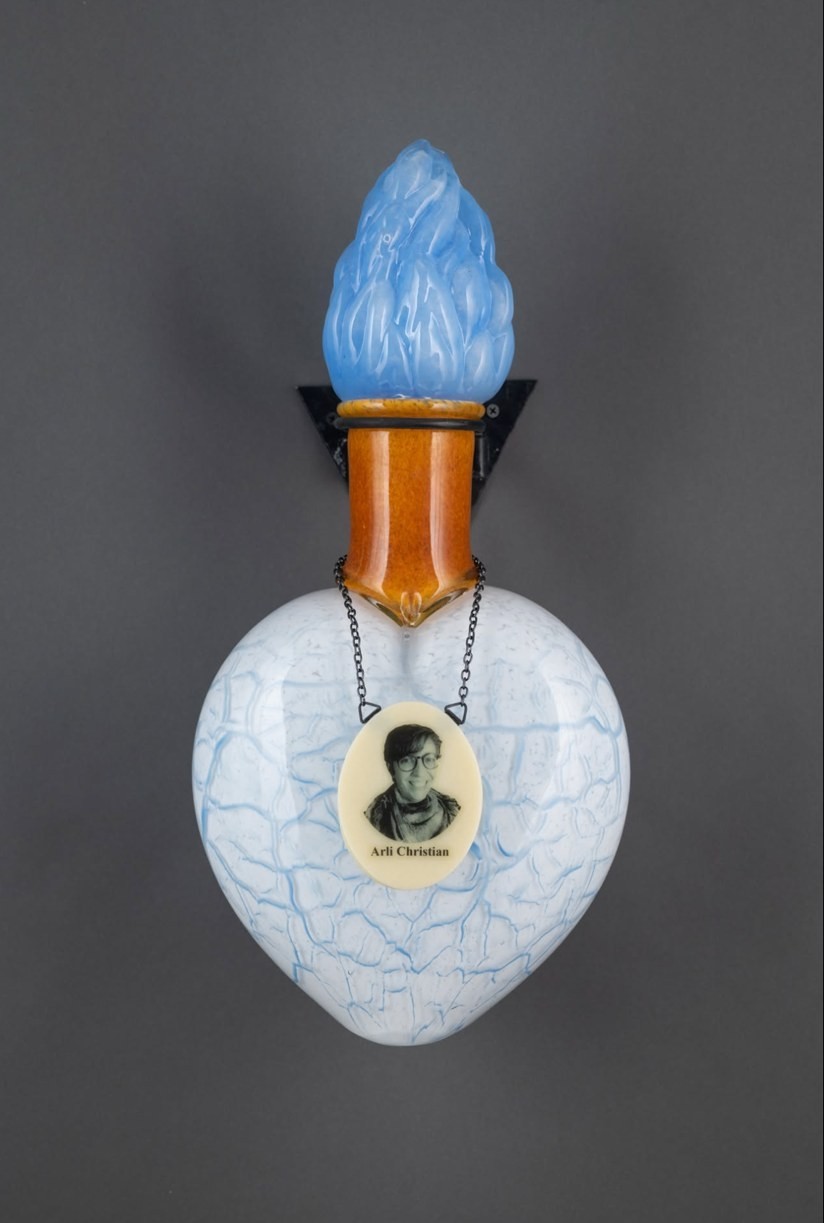
Arli Christian
Campaign Strategist, ACLU, focused on transgender rights
BackgroundChristian has been instrumental in advancing policy reforms for transgender rights, including work on state-level identity documentation policies for transgender individuals. She combines legal advocacy with public policy work.
Potential PathChristian's deep experience in legislative and legal reforms for transgender equality could lead to a judicial appointment.
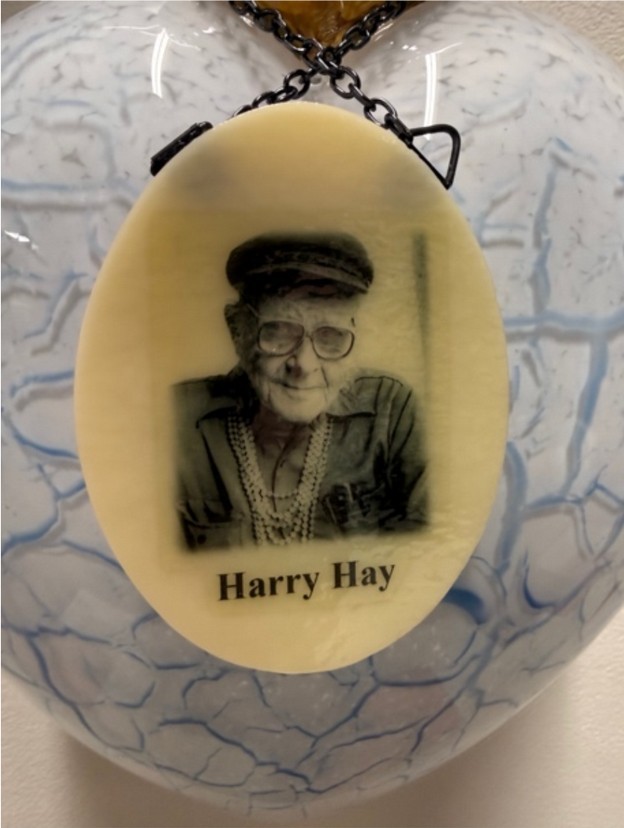
Harry Hay
Harry Hay – 1912-2002
In 1950, when homosexuality was a crime in every state, he founded the Mattachine Society, the first sustained gay rights organization in America, meeting in secret, using code, knowing arrest was possible. He argued that gay people were a cultural minority with a rightful claim to dignity, decades before anyone else said it aloud.
In the country this exhibition imagines, 1950 is taught as a founding date, and the secrecy his meetings required is the part that sounds unbelievable.
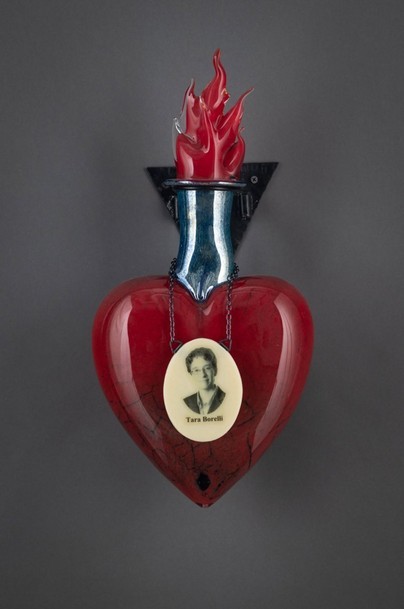
Tara Borelli
Counsel, Lambda Legal
BackgroundBorelli focuses on litigation advancing the rights of LGBTQ+ individuals in housing, employment, and healthcare. She has argued cases that significantly impact the civil rights of LGBTQ+ people, including challenges to discriminatory state laws.
Potential PathBorelli's strong record in civil rights and public interest law could see her ascend to higher levels of the judiciary.
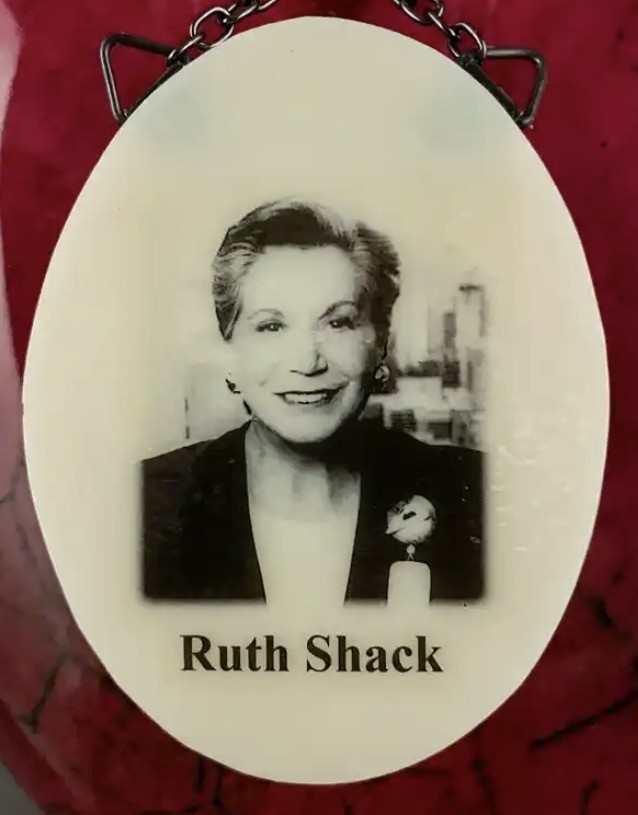
Ruth Shack
Ruth Shack – 1931-2022
A Miami-Dade County commissioner who, in 1977, sponsored the ordinance banning discrimination against gay men and lesbians. Anita Bryant's campaign overturned it and made Miami the national front line. Shack lost political ground for it and never disavowed the vote; she spent the rest of her life in Miami philanthropy.
In the country this exhibition imagines, the ordinance is unremarkable law, and she is honored as a straight ally who understood that a vote is a moral act.